-
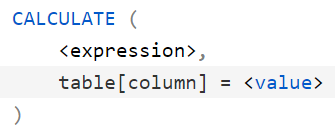
A filter argument in CALCULATE is always an iterator. Finding the right granularity for it is important to control the result and the performance. This article describes the options available to create complex filters in DAX. Read more
-
This month we have a new video course and whitepaper for SQLBI+ subscribers: Inside Calculation Groups is available! This course is a deep dive into calculation groups in DAX. Although you might already be familiar with calculation groups, it is… Read more
-
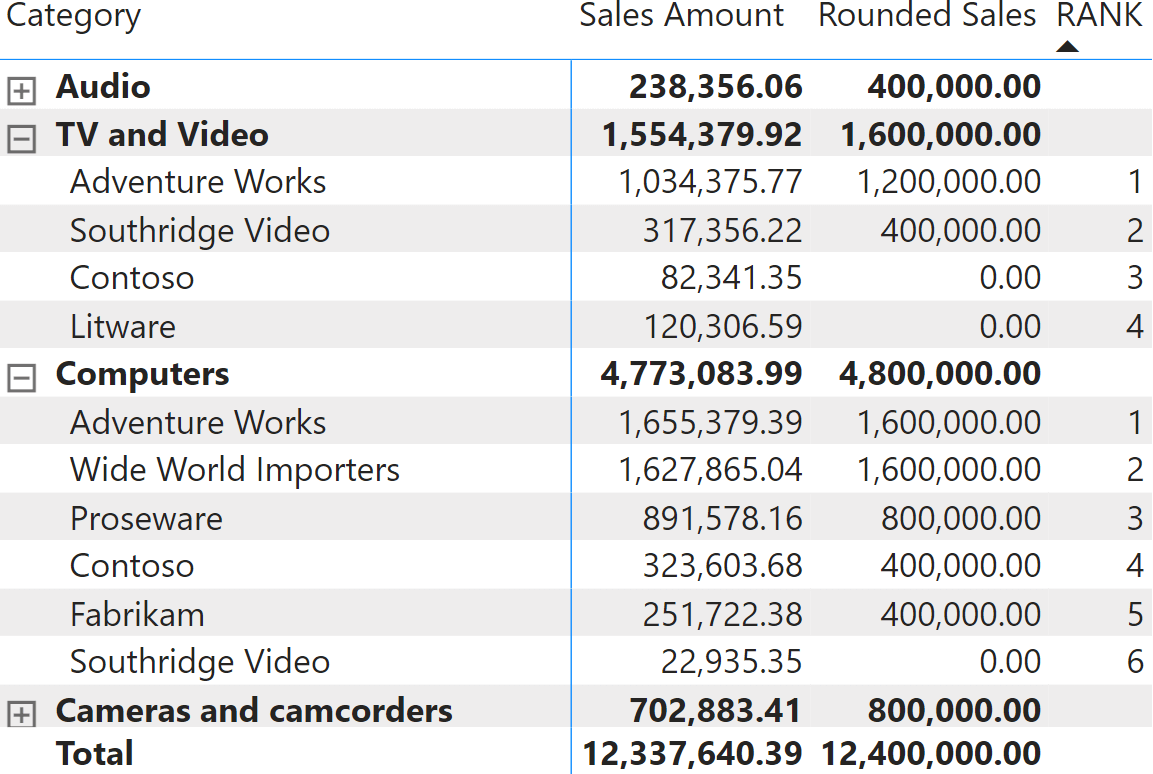
RANK is a new DAX function to rank items based on multiple columns. This article introduces the RANK function and its differences with RANKX. Read more
-

These are pivotal times with the large adoption of new technologies like generative AI systems that will certainly impact how we work, along with a lot of other things. If you look at how Alberto and I answer questions related… Read more
-
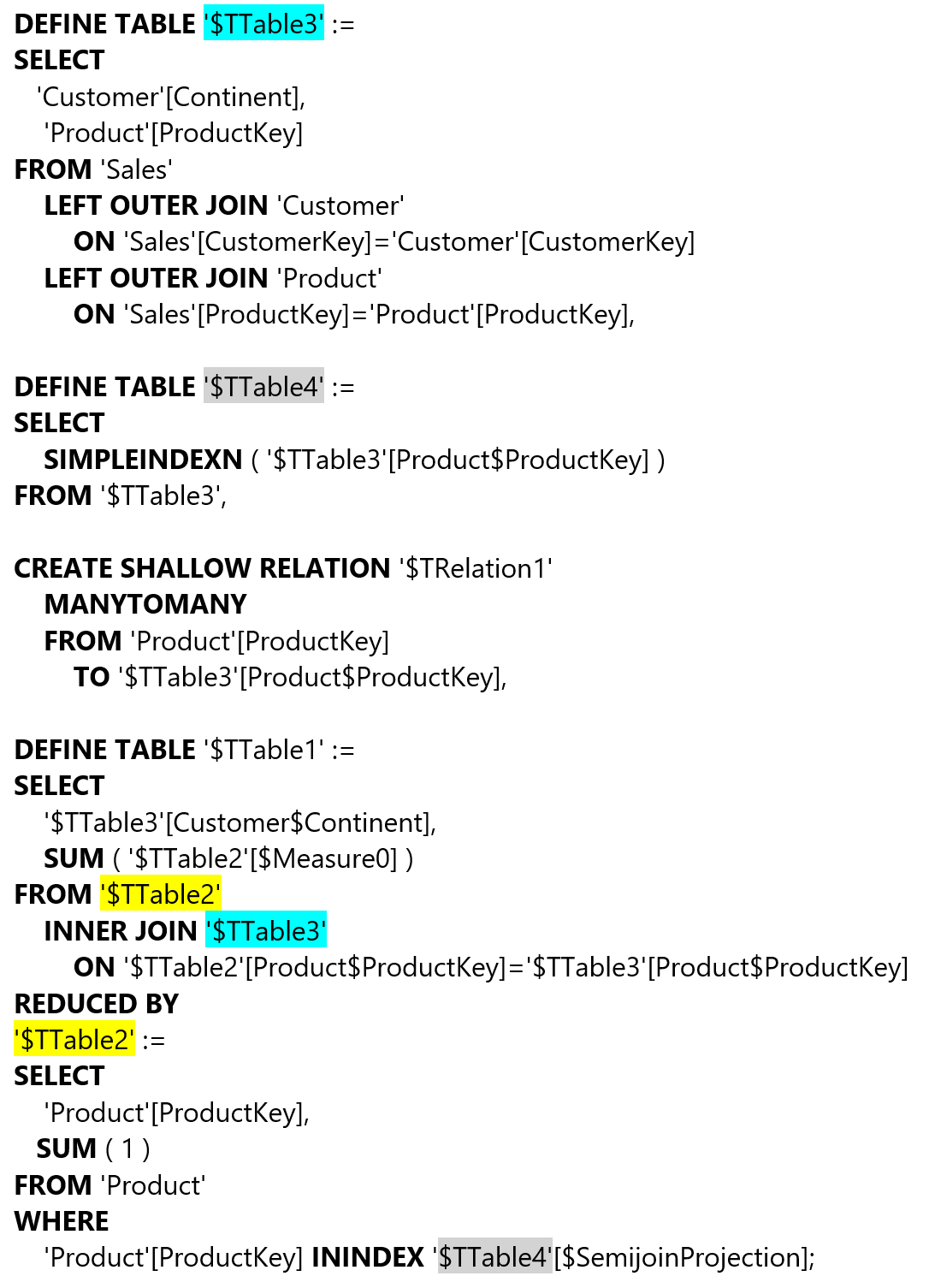
We recently released the second edition of the Optimizing DAX video course. Despite its volume, some details always did not find space in the training material. The REDUCED BY syntax of xmSQL is one of those details. Read more
-

At the end of March, we released the second update of SQLBI+ with a new session about different types of many-to-many relationships in DAX. The goal is to explain the difference between the many-to-many cardinality relationship available in Power BI… Read more
-
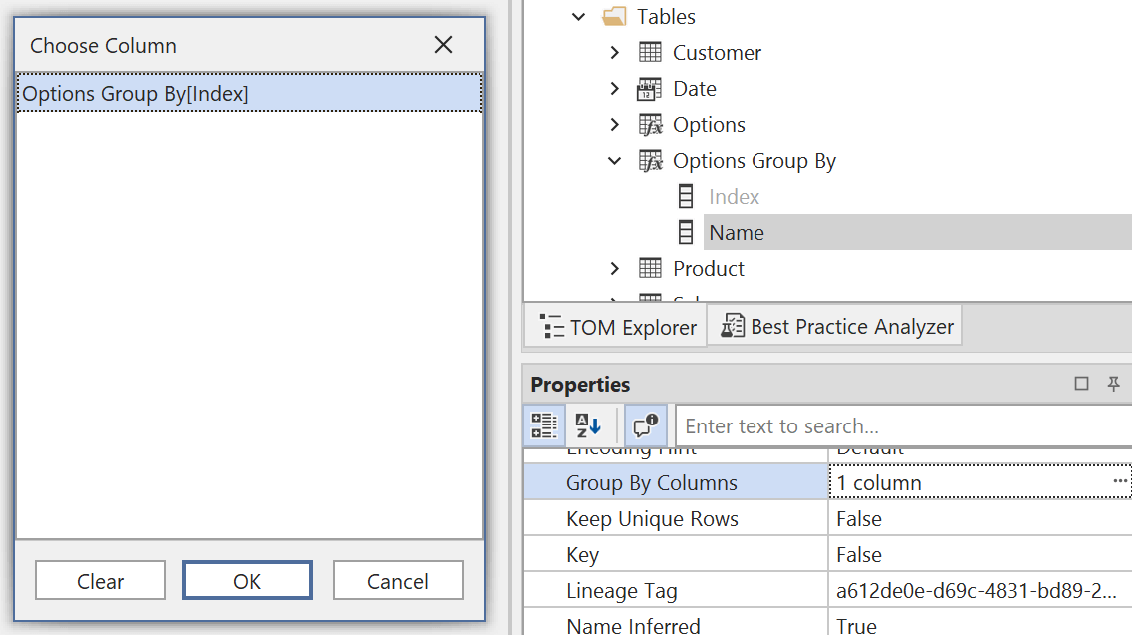
This article describes how to use the Group By Columns property to store the slicer selection by using the same column used in a SWITCH function to optimize the query performance. Read more
-
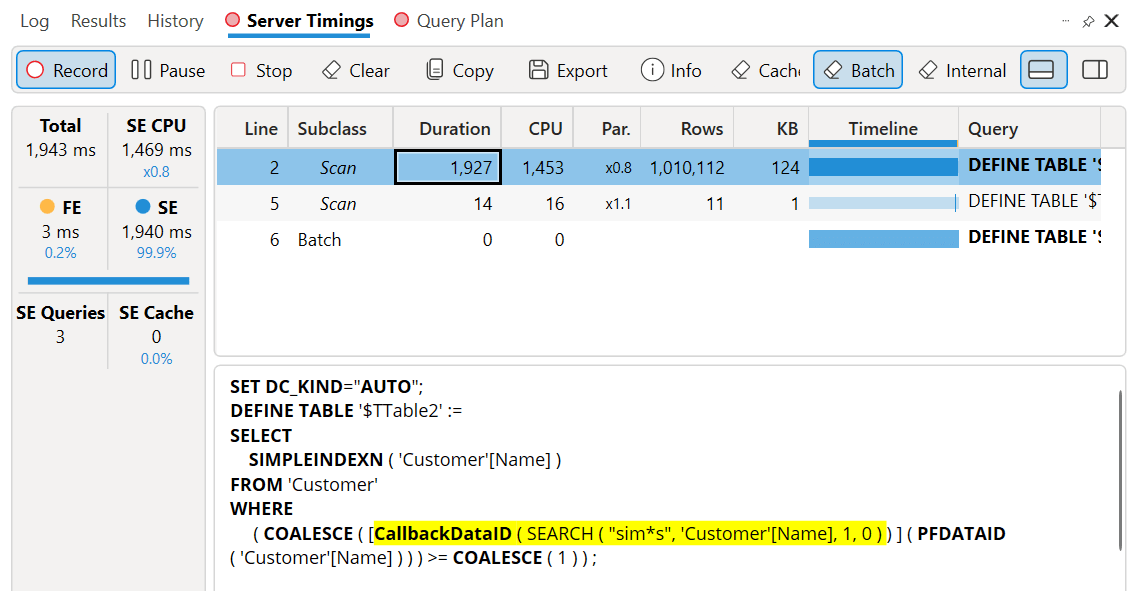
This article describes how to optimize a text search operation in DAX. This technique can improve the performance of Power BI reports that use the contains condition in the filter pane or the filter mode of the Smart Filter Pro… Read more
-
The second edition of the Optimizing DAX video course is available: new content, a new book, and some on the behind-the-scenes of the project. Read more
-
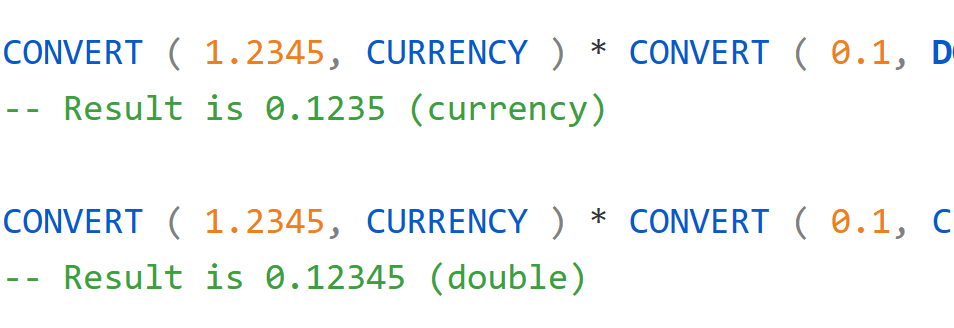
This article describes the possible rounding differences that can appear in DAX. They are related to the data types and the operation being performed: knowing these details helps you write more robust DAX formulas and avoid errors in comparisons. Read more